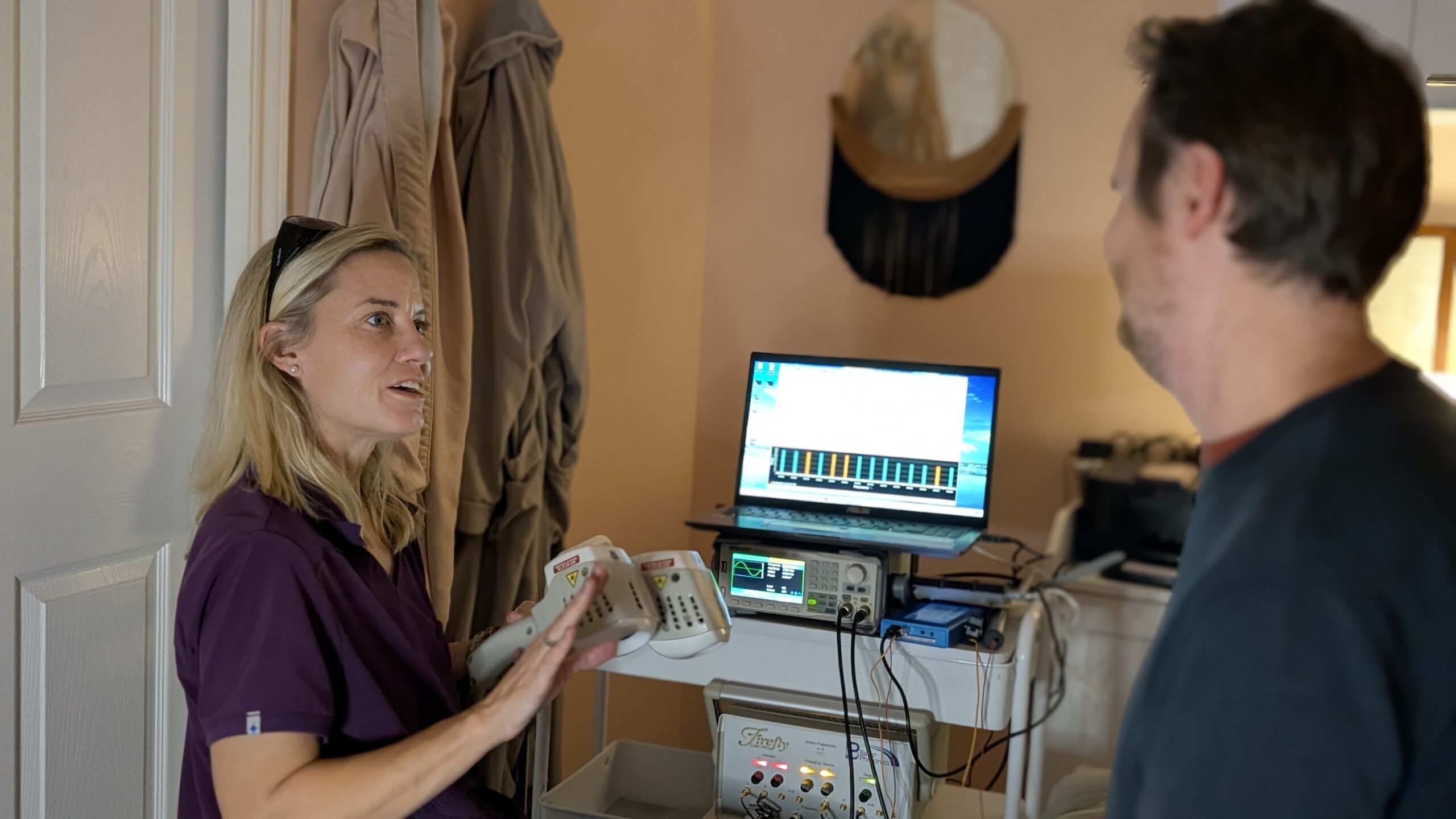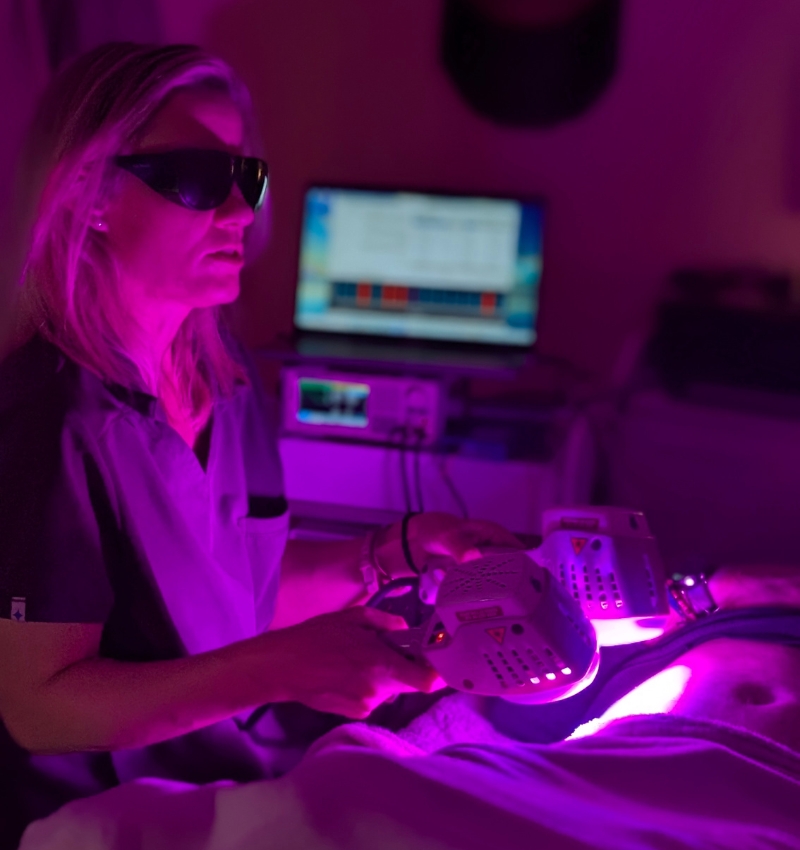
If you’ve been struggling with sleep, you’re not alone. Millions of people are searching for natural, non-invasive ways to improve sleep quality—without relying on medication.
One area gaining attention is photobiomodulation (PBM), also known as red + near-infrared light therapy.
👉 Emerging research suggests that red and near-infrared light may support better sleep by enhancing the brain’s natural nighttime processes.
But what does that actually mean—and is it something you should consider?
Let’s break it down.
Why Sleep Quality Matters More Than You Think
Sleep isn’t just about feeling rested—it plays a critical role in your overall health.
Poor sleep has been linked to:
-
Brain fog and memory issues
-
Weakened immune function
-
Increased stress and anxiety
-
Long-term risks like cognitive decline
During deep sleep, your body—and especially your brain—goes into repair mode.
Your Brain’s “Nighttime Cleaning System”
While you sleep, your brain activates something called the glymphatic system.
Think of it as your brain’s overnight detox system.
It helps:
-
Flush out waste and toxins
-
Remove harmful proteins (like beta-amyloid)
-
Support cognitive health and clarity
👉 This process works best during deep, restorative sleep.
What is Photobiomodulation?
Photobiomodulation (PBM) is a non-invasive therapy that uses red and near-infrared light wavelengths (typically 600–1000 nm).
Unlike blue light (from phones and screens), which can disrupt sleep…
👉 Red & Near-infrared light may actually support your body’s natural sleep rhythms.
How Red & Near-Infrared Light Therapy May Support Sleep
According to emerging research, red light therapy may:
-
Support the brain’s natural detoxification process
-
Encourage healthy fluid movement in the brain
-
Help reduce the buildup of harmful proteins
-
Potentially supports melatonin production (your sleep hormone)
👉 These effects may contribute to improved sleep quality over time.
What the Research Says (And Doesn’t Say Yet)
A recent scientific review published on PubMed Central explored how photobiomodulation may impact sleep and brain health.
Here’s the honest takeaway:
✔️ Early studies (primarily in animal models) show promising results
✔️ There is growing interest in human applications
❗ More clinical research is still needed
👉 In other words:
This is a promising area of research—but not a guaranteed solution.
Read more from the research here > https://pmc.ncbi.nlm.nih.gov/articles/PMC9727457/