If you’ve spent any time researching light therapy, you’ve likely come across two terms used almost interchangeably: Red Light Therapy and Photobiomodulation (PBM). While they are related, they are not identical. Understanding the concept of photobiomodulation vs red light can clarify their differences.
Red Light Therapy (RLT) typically refers to the use of visible red wavelengths, usually in the 630–700 nanometer range. These wavelengths are most often used for skin-related concerns — improving collagen production, reducing wrinkles, calming acne, and supporting surface-level healing. Many consumer-grade panels and beauty devices fall into this category.
Photobiomodulation, on the other hand, is the broader scientific term. It includes not only visible red light, but also near-infrared (NIR) wavelengths, often ranging from 700–1000+ nanometers. Near-infrared light penetrates much deeper into tissue, extending through the skin, into muscles, joints, and even toward neurological structures.
In summary, the discussion of photobiomodulation vs red light highlights the nuances of these therapies and their applications.
PBM works at the cellular level. Research shows that specific wavelengths stimulate the mitochondria — the “power plants” of the cell — increasing ATP production (cellular energy). When cells have more usable energy, they repair more efficiently, reduce inflammation more effectively, and regulate oxidative stress better.
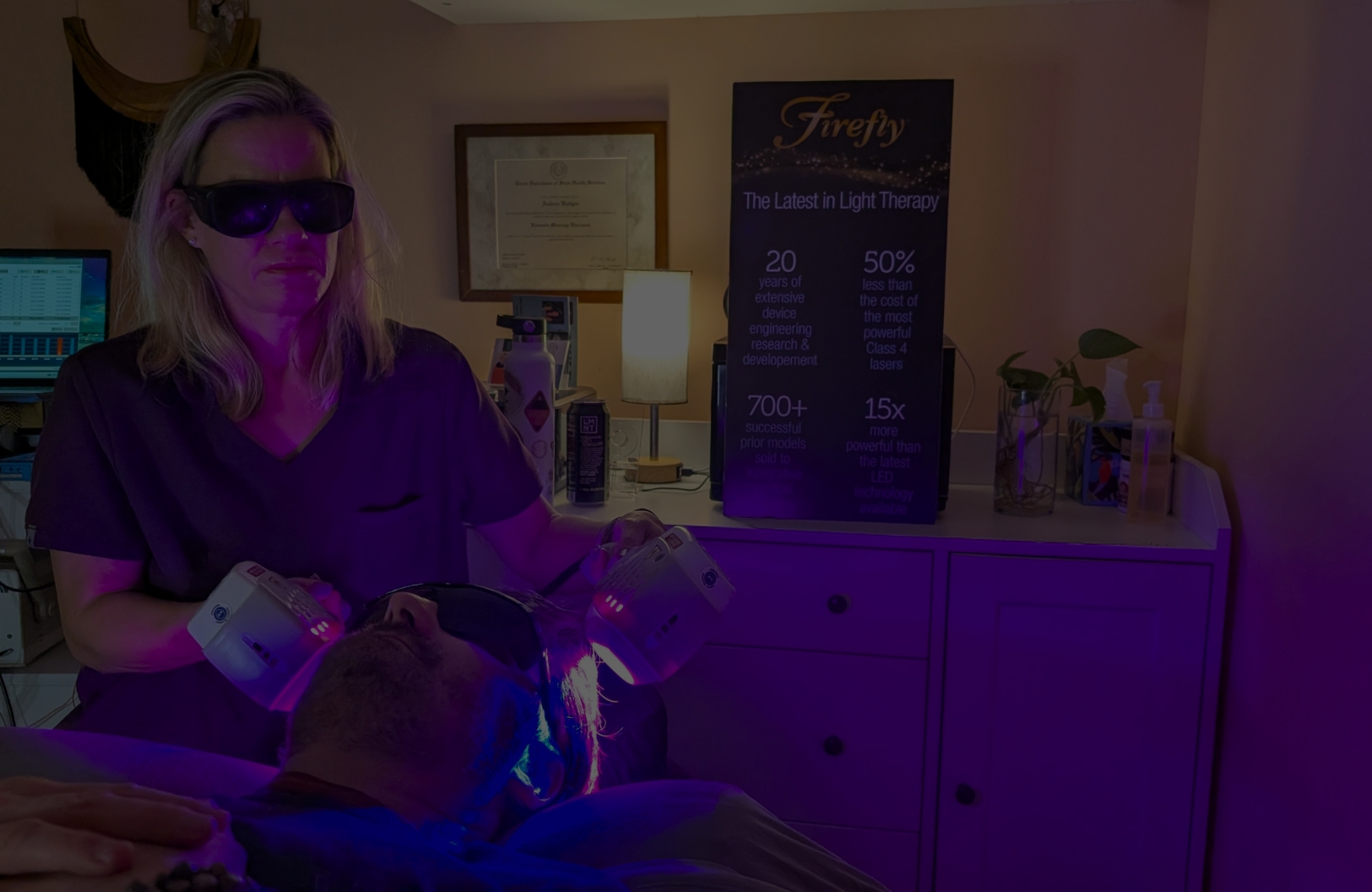
The distinction matters because depth matters. A superficial red light panel may support skin vitality. A clinically designed photobiomodulation system, such as the Firefly Light Therapy system used at Light Well Holistic, is designed to support deeper systemic issues, including inflammation, pain, and neurological support.
Both approaches use light. But PBM is the science-backed umbrella term encompassing a broader, deeper, and more targeted therapeutic approach.